Sustainability
Long-term thinking in practice
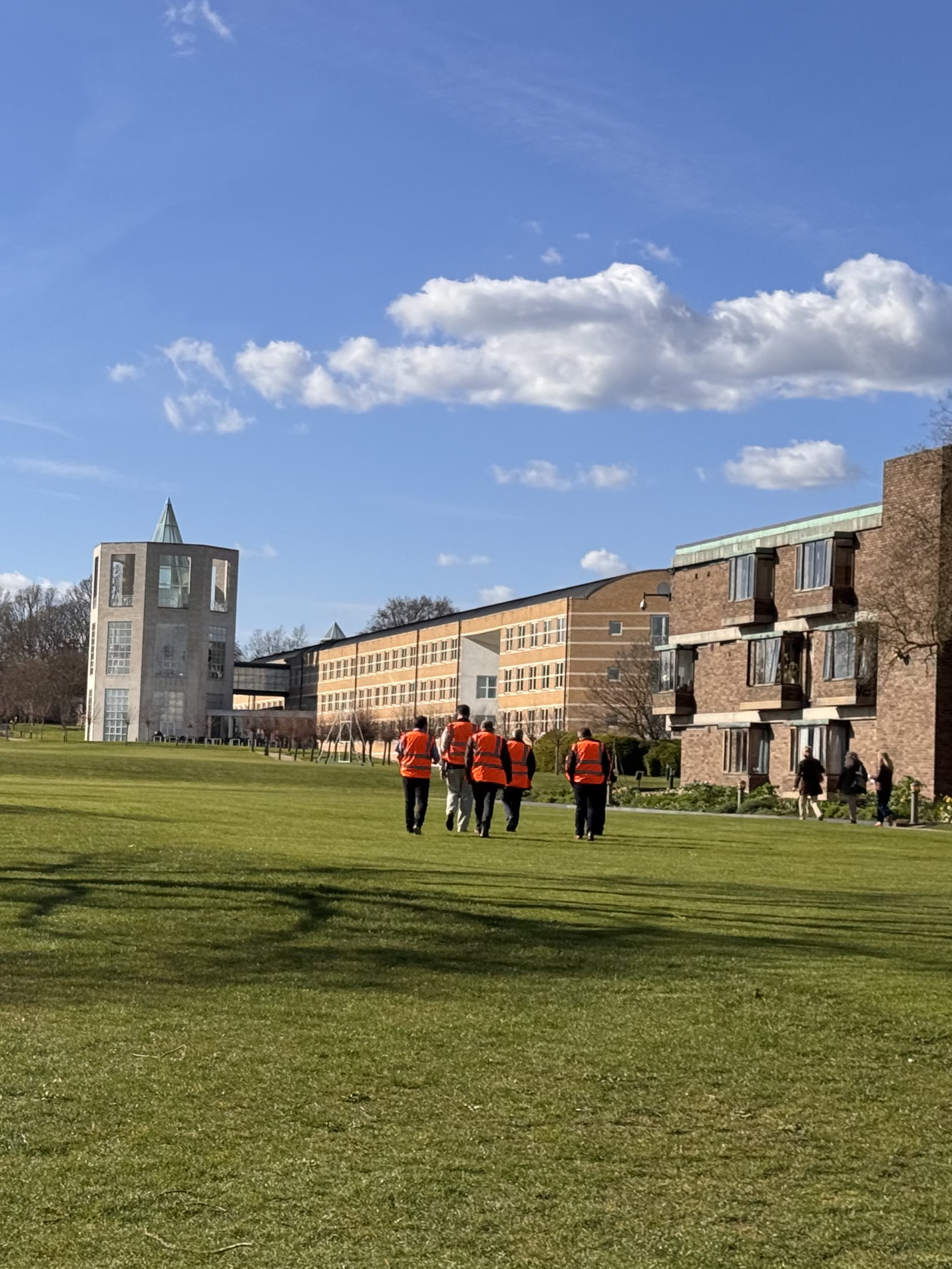
Sustainability is an important part of how Churchill College plans for the future and manages its estate.
As a STEM-focused Cambridge college, we recognise the importance of taking practical, evidence-led action to address environmental challenges while supporting the long-term resilience of the College and its educational mission.
Our approach extends beyond environmental impact alone, encompassing environmental, social and financial sustainability. We believe sustainability also means creating an environment in which people can thrive, supporting the wellbeing of staff, students and the wider College community alongside our environmental commitments.
Churchill College has a formal sustainability strategy covering carbon and energy reduction, responsible procurement, landscape and ecology, sustainable operations, travel and responsible investment. We also benefit from dedicated Sustainability Fellows and specialist staff who help shape and guide our approach.
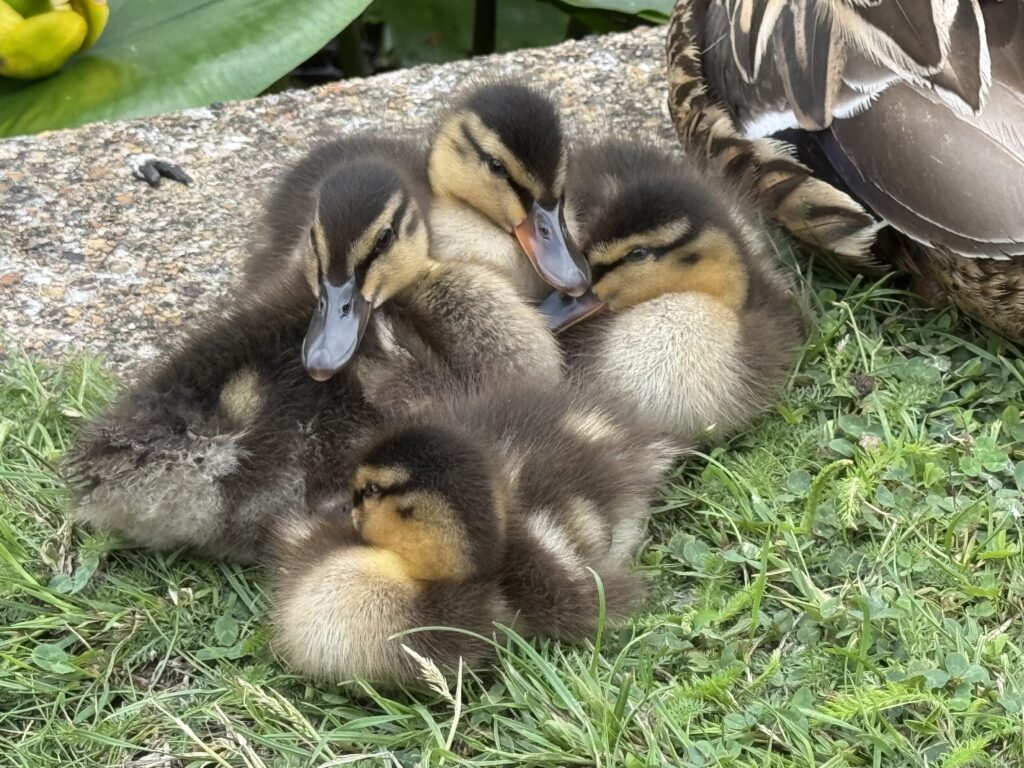
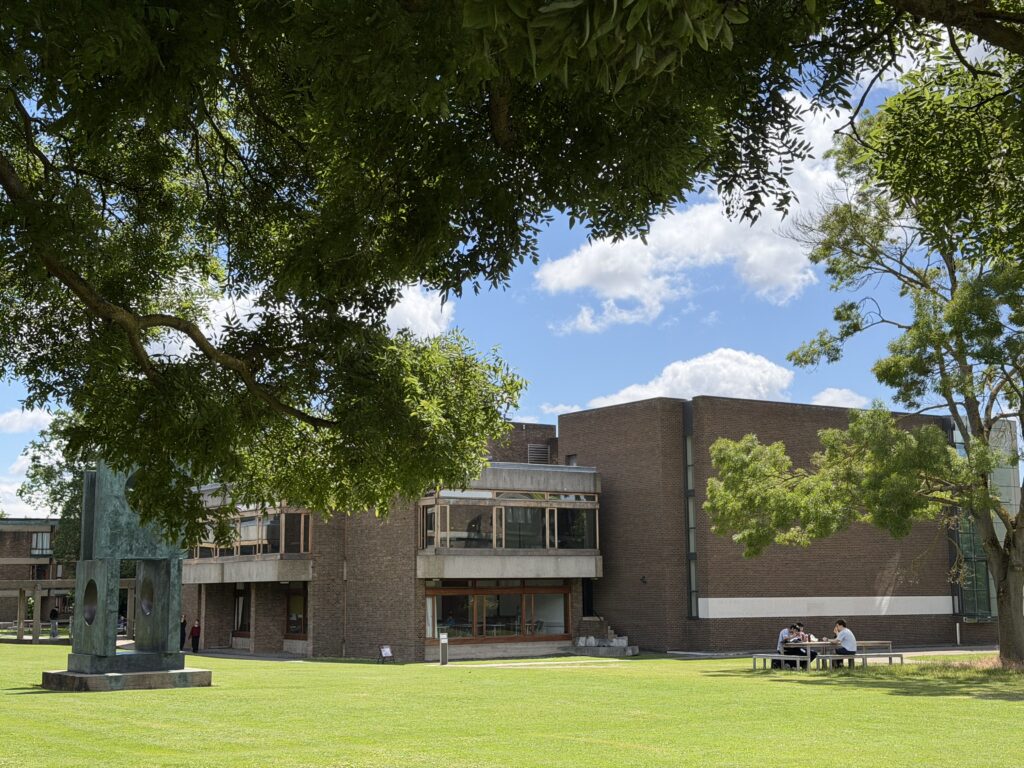
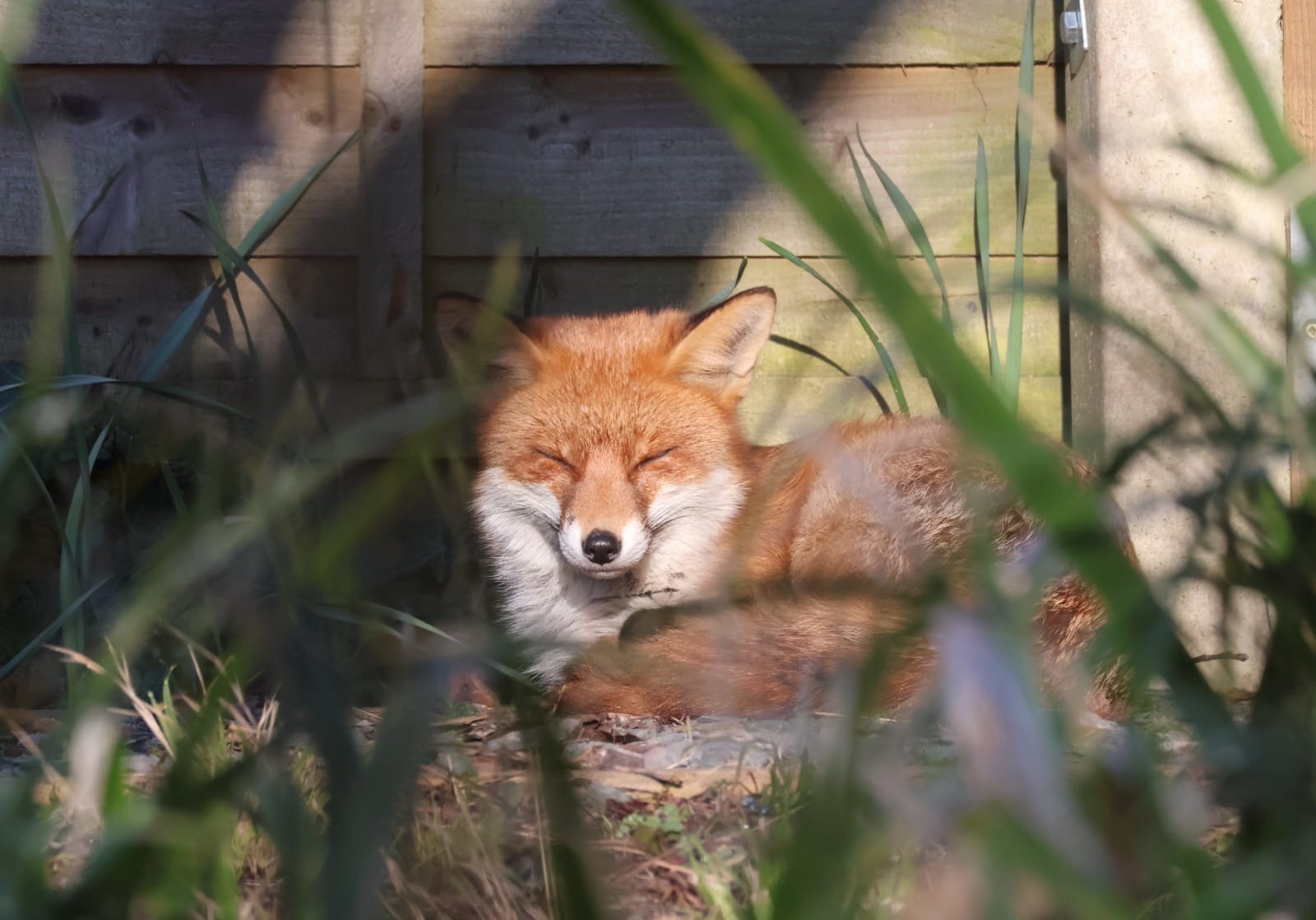
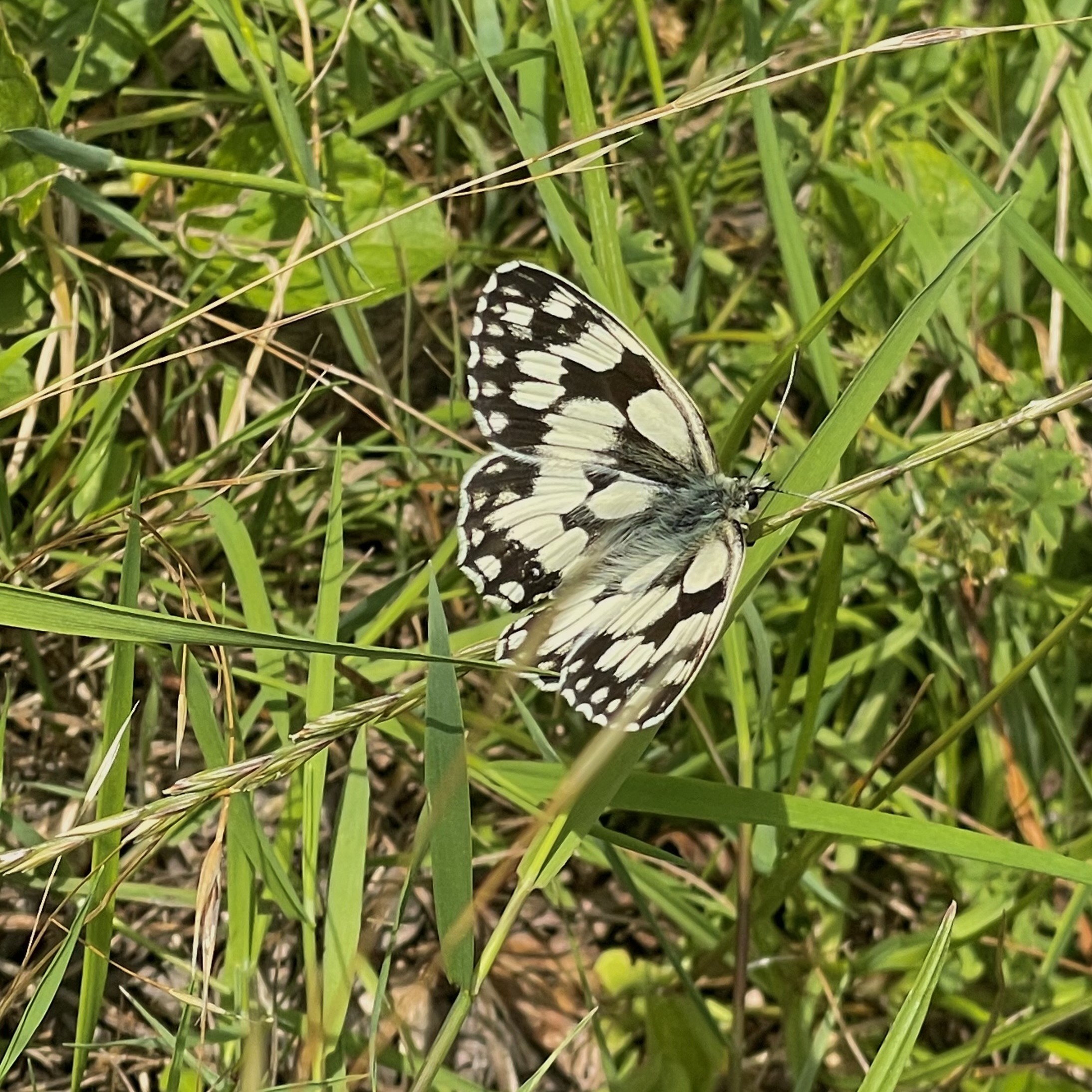
Across our 50-acre estate, this commitment can be seen in both major projects and everyday management practices. The College has invested in biodiversity-focused grounds management for many years, including a long-established herbicide-free weed control programme, ecological monitoring and habitat enhancement initiatives. Our grounds support biodiversity through wildlife surveys and the continued development of more ecologically diverse landscapes.

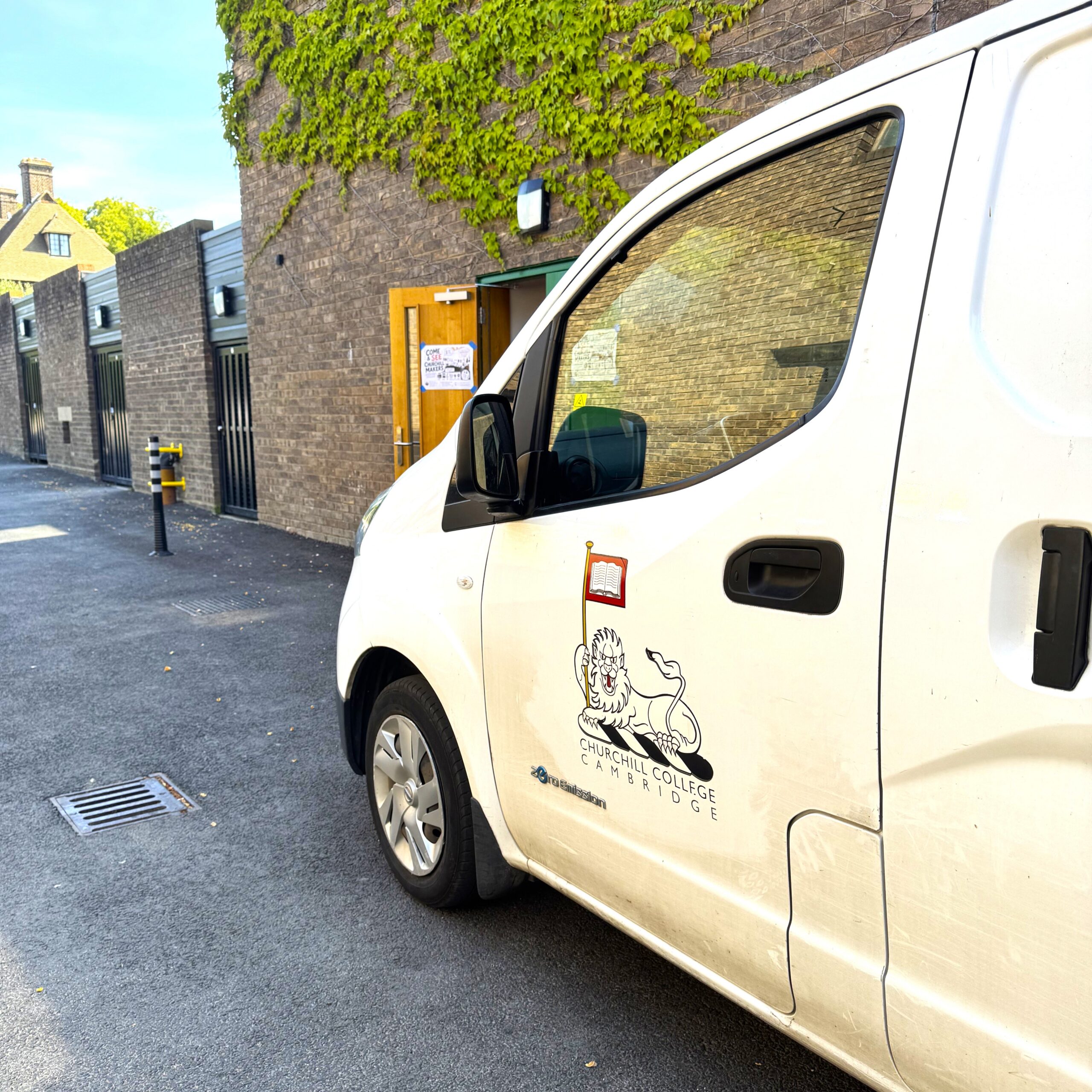
This commitment extends across our venues and event operations. Through responsible procurement, local supply chains, food waste reduction initiatives and ongoing carbon reduction programmes, we seek to embed sustainability throughout the way Churchill College operates.
Key Initiatives
- Reducing refuse collection vehicle movements by 75% through the use of waste compaction systems.
- Consistently achieving the Platinum Green Impact Award, recognising our ongoing commitment to sustainability.
- Requiring suppliers to demonstrate their commitment to sustainable practices as part of our procurement processes.
- Building direct relationships with local farms and suppliers to simplify and localise supply chains wherever possible.
- Using specialist software to measure and display the carbon footprint of meals served in our Dining Hall, helping diners make informed choices.
- Participating in CamEATS Zero, supporting the development of net zero food policies.
- Investing in solar energy generation as part of a multi-phase programme designed to meet a significant proportion of the College’s energy needs on-site.
- Actively supporting biodiversity across our near-50-acre campus, home to almost 1,000 trees and a number of rare plant species.
- Ensuring all waste is either recycled or used in energy recovery processes.